
What Is Content Marketing? And Why Does It Matter?
Businesses that prioritise content marketing see 6x higher conversion rates than those that don’t. Yet for many brands, content still lives in silos – it’s disconnected from SEO, social and actual business goals.
So what actually is content marketing?
At its core, content marketing is about creating useful, relevant content that attracts the right audience and guides them towards a decision over time. It’s not about shouting “buy this now”. It’s about showing up with something valuable enough that people choose to pay attention. Done well, it’s less about telling and more about showing.
It’s storytelling. It’s insight. It’s giving people something genuinely useful, whether that’s answering a question, sharing expertise, entertaining or simply helping them see a problem differently. And over time, that value builds trust, which is what actually drives action.

Think blogs, videos, social posts, email campaigns and case studies. Different formats all working together to inform, guide or even entertain. And here’s the shift: people don’t buy like they used to. They research. They compare. They scroll. They question. Which means brands that help first are the ones that get chosen later.
Content Marketing Isn’t About Posting More. It’s About Showing Up Better.
Not random posts. Not occasional blogs when there’s time. A consistent system built to:
- Attract the right people
- Answer real questions
- Build familiarity
- Encourage action when the timing is right
It’s a long-term approach. Less interruption, more intention.
This makes content marketing very different from traditional advertising. Traditional marketing pushes a message out. Content marketing pulls people in. Where traditional marketing says “you need to buy this product or service right now”, content marketing says “here’s something useful that might help you”.
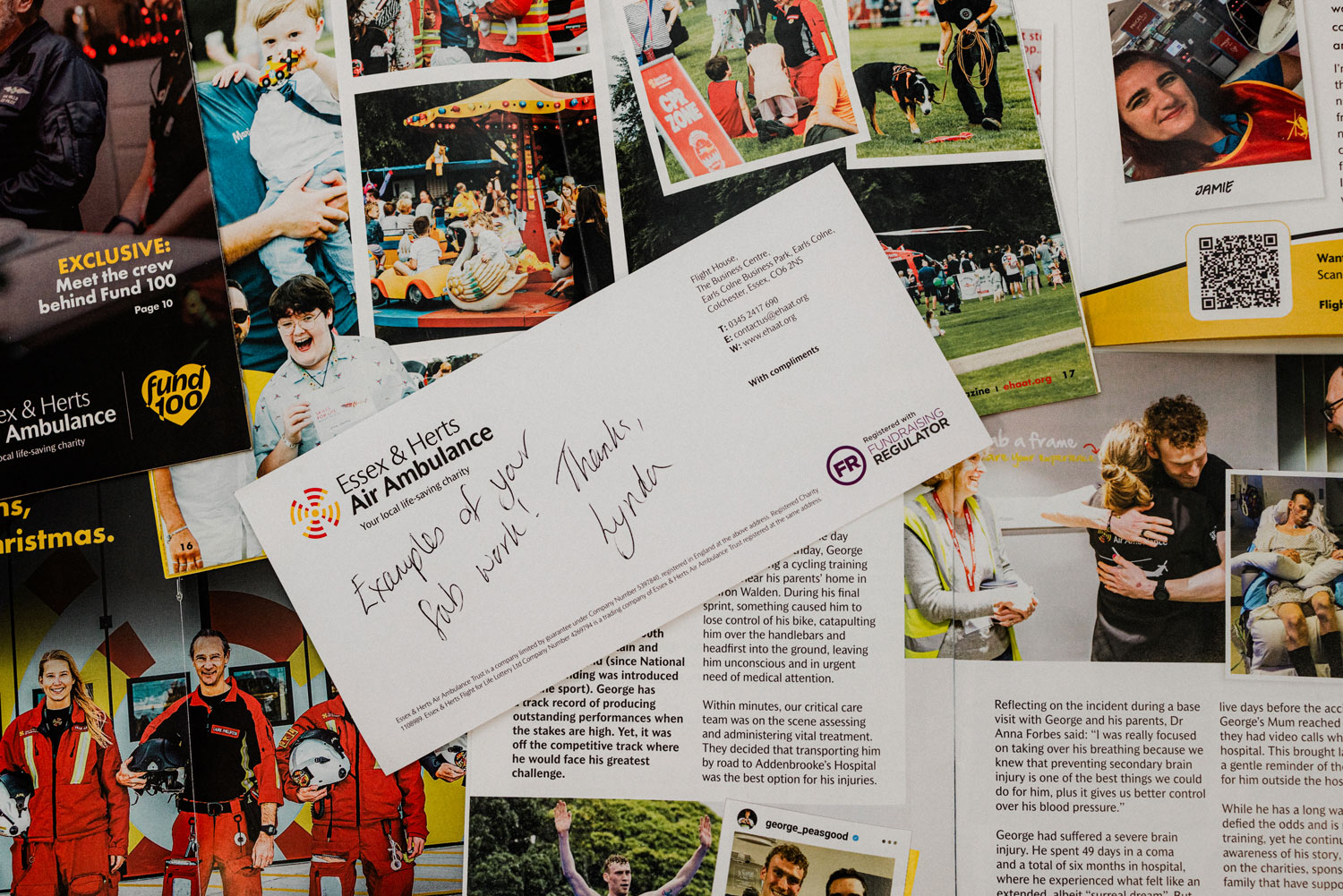
Examples of content marketing
Content marketing isn’t one thing. It’s a mix of formats working across different channels and touchpoints. Search is evolving with users increasingly turning to social platforms, video content and AI powered tools to discover information, rather than relying solely on traditional search engines. As a result, businesses need to create a mix of content formats to stay visible, relevant and useful across multiple channels.
Common examples include:
Blog Posts
help answer search questions, improve a website’s visibility and build authority.
Content led SEO remains critical, with research consistently showing that businesses that blog generate significantly more indexed pages and inbound links. According to HubSpot, companies that blog receive 55% more website visitors than those that don’t, highlighting the impact of consistent content creation on visibility.
Social Media Content
keeps brands visible and engaging in daily feeds. This could include useful tips, short videos, before and after examples, behind the scenes content or answers to FAQ’s.
People are no longer solely relying on traditional search engines for information. Ofcom’s Adults Media Use and Attitudes Report 2025 found that 43% of UK adults use social media platforms to search for information online at least once a day. Social media remains nearly universal, with 89% of UK adults using at least one platform, highlighting its importance in brand visibility.
Video Content
often one of the most engaging forms of content. They simplify ideas and build stronger connections.
Video continues to dominate online consumption. Ofcom reports that UK adults spend an average of 51 minutes per day watching YouTube alone, reflecting the growing preference for video-based content over text.
Case Studies
shows real results and builds credibility.
Trust plays a key role in decision making with around 52% of UK adults saying they trust human created content more than AI generated content. This shows the value of authentic, real world examples and proven results.
Email Marketing
allows businesses to stay in touch with potential and existing clients by sharing advice, updates and useful information.
Guides & Downloads
deeper educational resources that solve problems.
Infographics
visual storytelling for complex ideas.
Visual content is processed faster and retained more effectively. Research highlighted in Brain Rules by John Medina suggests that people remember 65% of information when paired with relevant visuals compared to just 10% from text alone after three days, demonstrating the impact of visual storytelling on memory and understanding.
For design and marketing agencies, it often looks like:
- A blog breaking down how to improve website conversations
- A social post explaining branding mistakes to avoid
- A case study showing how a redesign increased enquiries
Different formats. Same goal: create value before asking for attention.
Why content marketing matters
Content marketing has become essential because attention is earned, not given. People no longer respond to constant advertising. They respond to relevance.
Before choosing a business, people search online for information, compare companies, read reviews and look for businesses that appear knowledgeable and trustworthy. If your business isn’t creating useful content, there’s a good chance your competitors are.
Strong content marketing helps brands:
- Improve visibility on search engines
- Reach people when they’re actively looking for answers
- Build trust before a sales conversation even happens
- Generate leads over time
- Support social media, email and other marketing channels
- Differentiate in crowded markets
And unlike paid ads, content doesn’t disappear when the budget stops. A strong piece of content can keep delivering traffic, visibility and generating enquiries for months or even years after it has been published.
Benefits & Purpose
Beyond visibility, content plays a bigger strategic role.
Brand Authority – It positions a business as knowledgeable and credible, not just present.
SEO Performance – High-quality content helps search engines understand what a brand offers, improving rankings over time.
Customer Trust – Helpful content builds familiarity, and familiarity builds confidence.
Long-term Growth – Content builds ongoing demand.
How content marketing supports SEO & GEO
Content marketing and SEO work closely together.
Search engines reward useful, relevant answers. Creating high-quality content gives your business more opportunities to appear in search results.
Good content marketing:
- Targets real search engines
- Expands keyword reach across a website
- Creates more indexed pages for Google
- Increases internal linking opportunities
- Improves dwell time and engagement
Over time, this can improve your visibility and help more people discover your business.
For example, a blog like “How to Choose the Right Logo Design” can attract users already searching for brand guidance, long before they are ready to buy. That’s where content starts working hardest.
But search isn’t just about Google anymore. With the rise of AI tools like ChatGPT and Google Gemini, more people are getting answers directly, without clicking through multiple websites. This shift is what’s often referred to as Generative Engine Optimisation (GEO).
In fact, over 25% of search journeys are expected to be influenced by AI-generated results by 2026. That changes how content works.
It’s no longer just about ranking on page one; it’s about being useful enough to be referenced, summarised, or surfaced by AI. Content that is clear, well-structured, and genuinely helpful is far more likely to be picked up in these environments.
What good content marketing looks like
Not all content is effective content. Posting for the sake of it is unlikely to deliver good results. The best content marketing is:
- Useful (it actually helps someone)
- Relevant (speaks to a specific audience)
- Clear (easy to read, easy to understand)
- Consistent (not occasional or reactive)
- Intentional (built around a purpose, not just output)
Most importantly, it answers real questions people are already asking.
If it doesn’t help, it won’t hold attention.

Common content marketing mistakes
Content marketing often fails for predictable reasons:
Content that is purely promotional – if every blog, email or social media post is trying to sell something, people quickly lose interest.
No clear audience in mind – good content is written for a specific audience. Without a clear understanding of who you’re speaking to, content often becomes too broad or irrelevant.
Inconsistent publishing – posting once every few months is unlikely to build momentum. Consistency is important if you want to stay visible and build trust.
Ignoring SEO fundamentals – even the best content may struggle to perform if it’s not optimised for search engines.
Generic messaging that could belong to any brand – content that sounds vague, repetitive or overly sales-focused is less likely to perform well. Readers want useful, specific information that feels genuine.
Final thoughts
Content marketing isn’t about filling a website or social media feed with words. It’s about creating content that earns attention, builds trust and supports long-term growth.
Whether it’s a blog post, social media update, case study or video, every bit of content should have a clear purpose and provide value. When done properly, it becomes one of the most powerful tools in modern marketing. Not because it sells directly, but because it helps people make better decisions. When people trust your content, they’re more likely to trust your brand when it matters.
If you need help creating content that improves visibility, strengthens your brand, and actually connects with the right audience, that’s where we come in.
Sources:
https://contentmarketinginstitute.com/what-is-content-marketing
https://www.oracle.com/uk/cx/marketing/content-marketing/
https://blog.hubspot.com/marketing/the-benefits-of-business-blogging-ht?
https://blog.hubspot.com/Portals/249/docs/ebooks/120-marketing-stats-charts-and-graphs.pdf
https://www.ieplexus.com/blogging-news/10154-just-blog-get-55-more-traffic-to-your-site/
